AIPEX
Eagle Platform
Autonomous systems · Vehicle-mounted hardware · Rapid technical development
A custom vehicle-mounted development platform enabling autonomous racing teams to gather high-fidelity sensor data and accelerate software development on live race circuits.
-
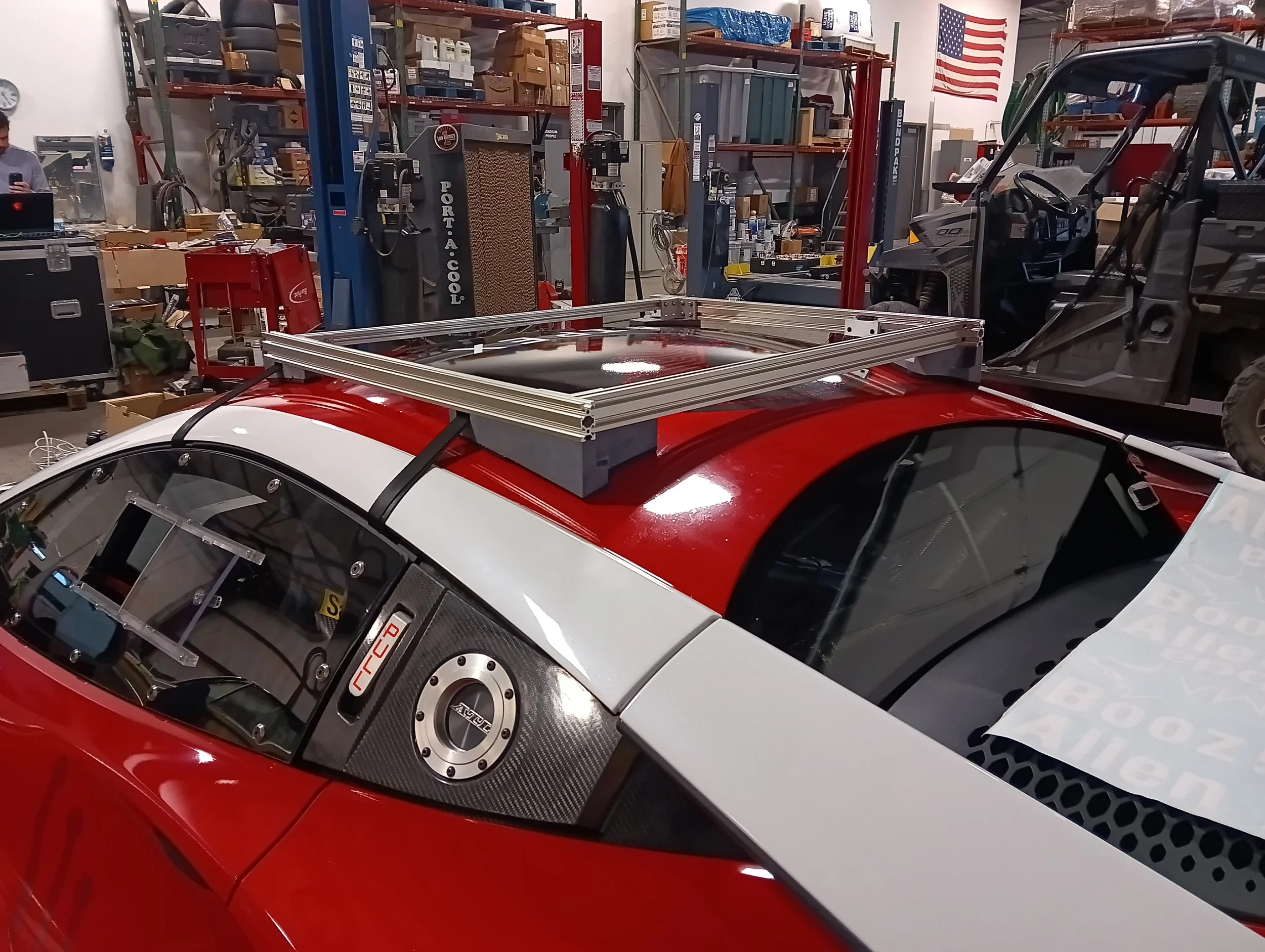
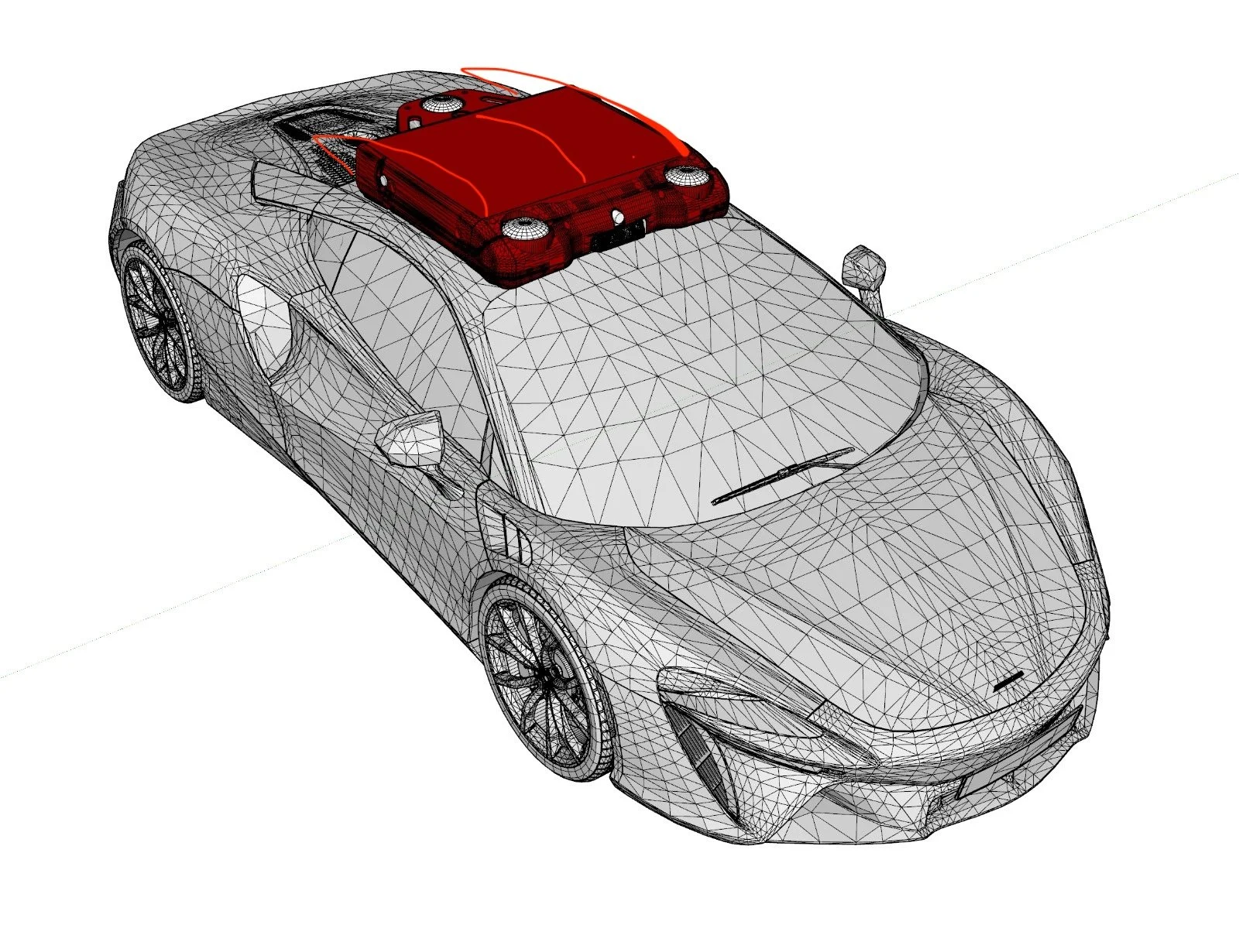
To support development for the A2RL autonomous racing league, the AiPex team needed to extend their European track testing using existing McLaren race cars. This required a self-contained external platform that could be fitted and removed quickly, without permanent modification to the vehicles or compromising eligibility for competitive race series.
The platform needed to operate independently, support a variable sensor and communications package, and function reliably at high speeds while posing no risk to the driver, vehicle or surrounding personnel. Sensor positioning, thermal stability, environmental protection and vibration isolation were all critical to data quality.
-
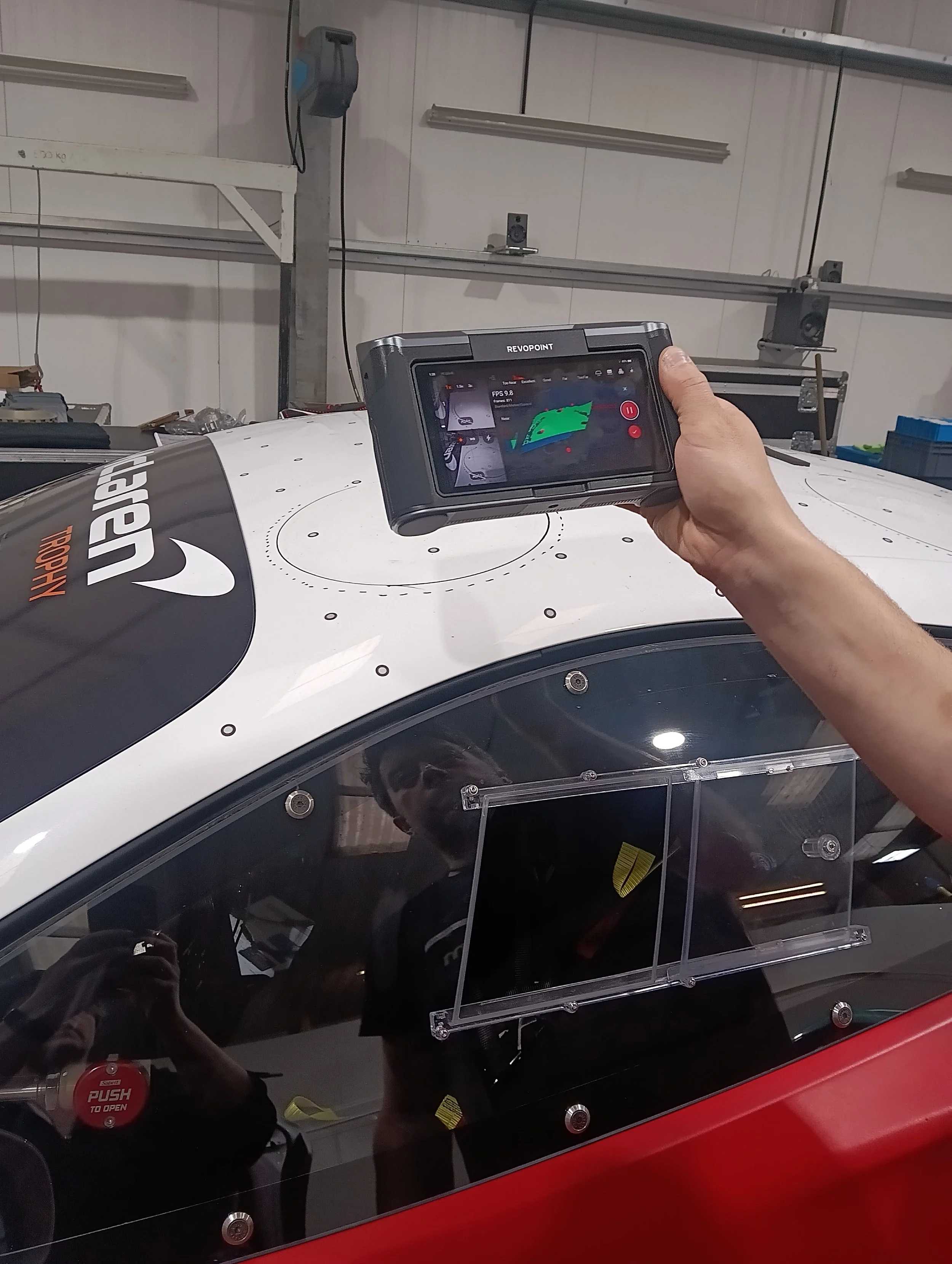
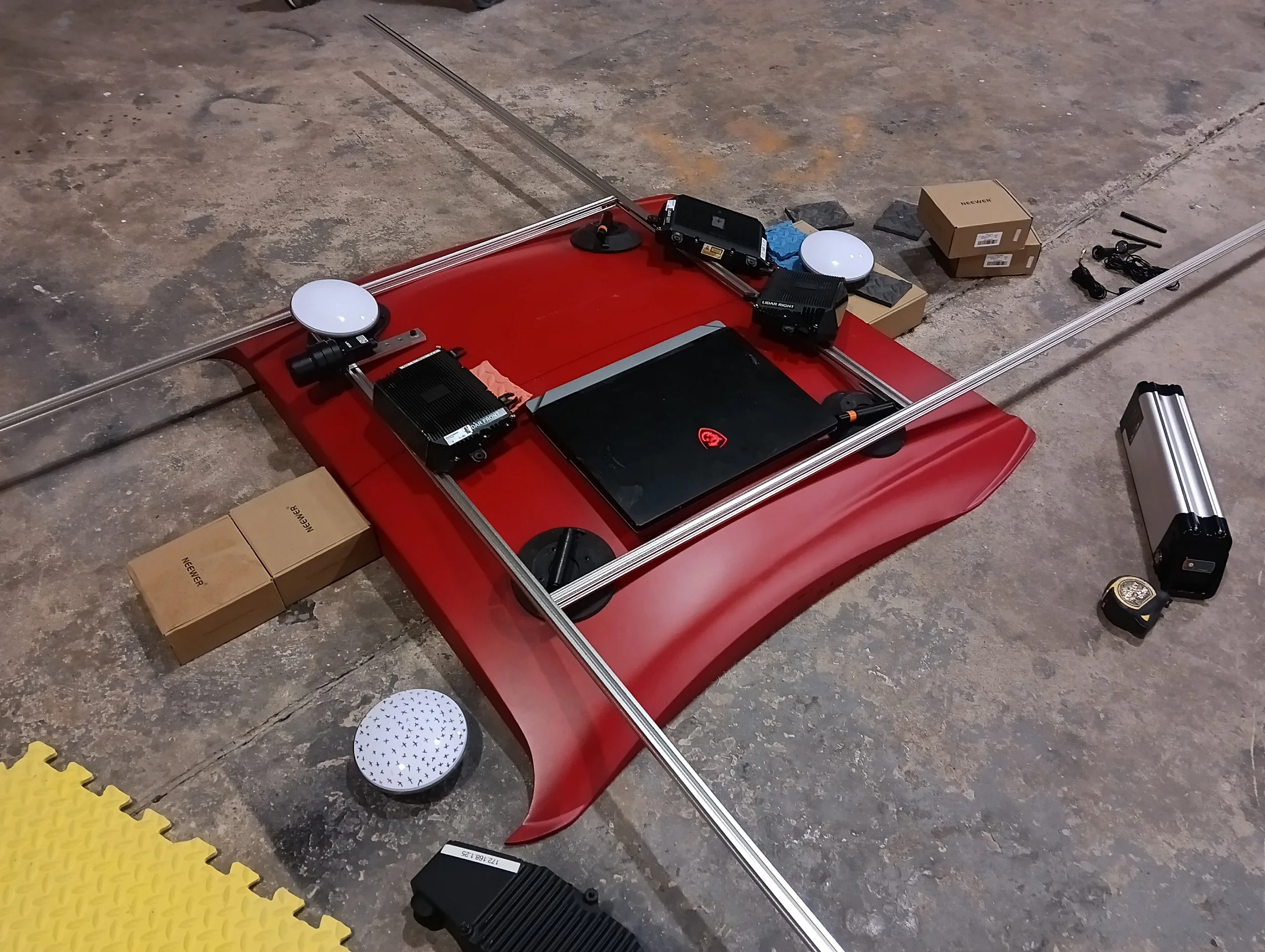
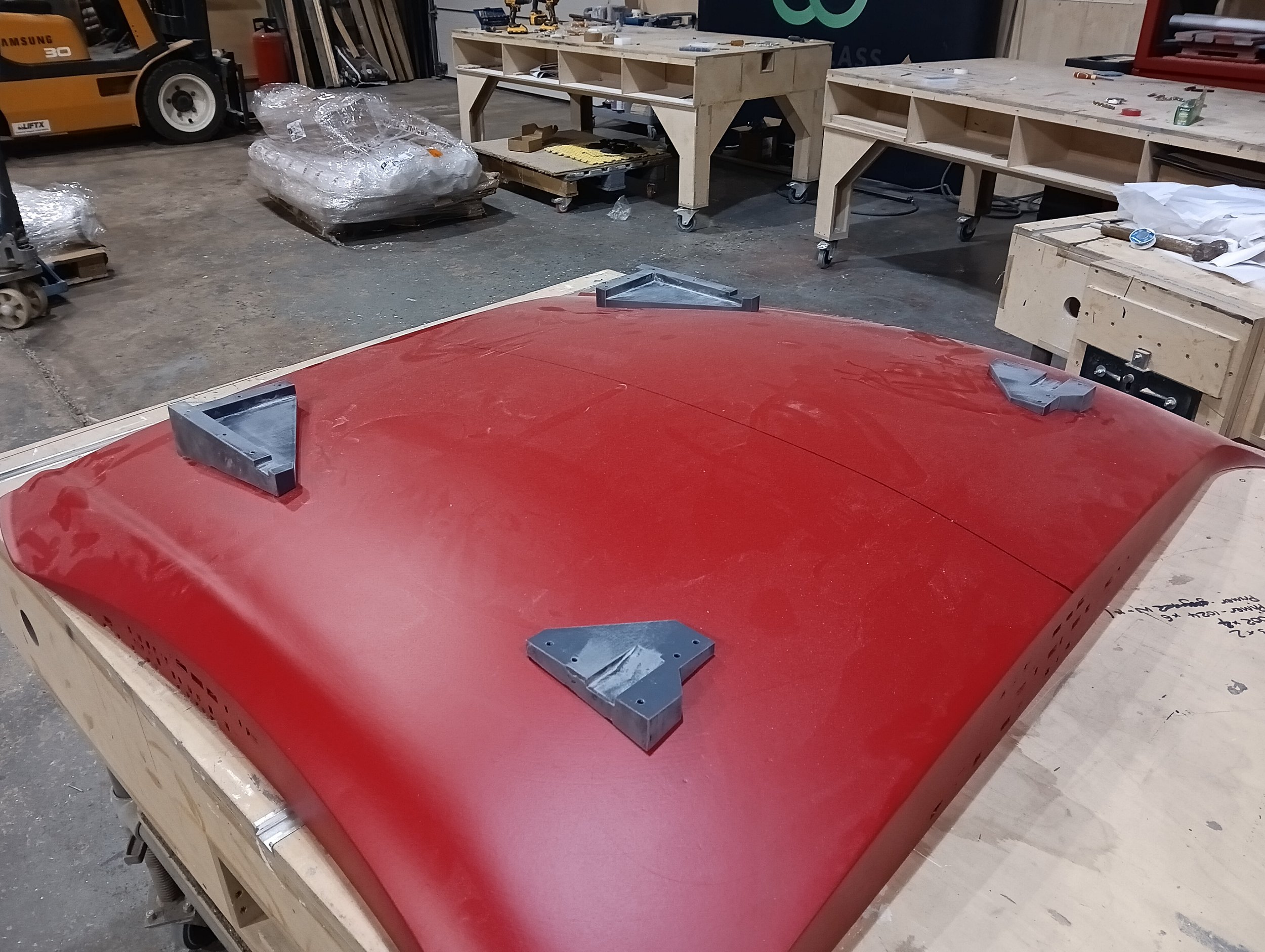
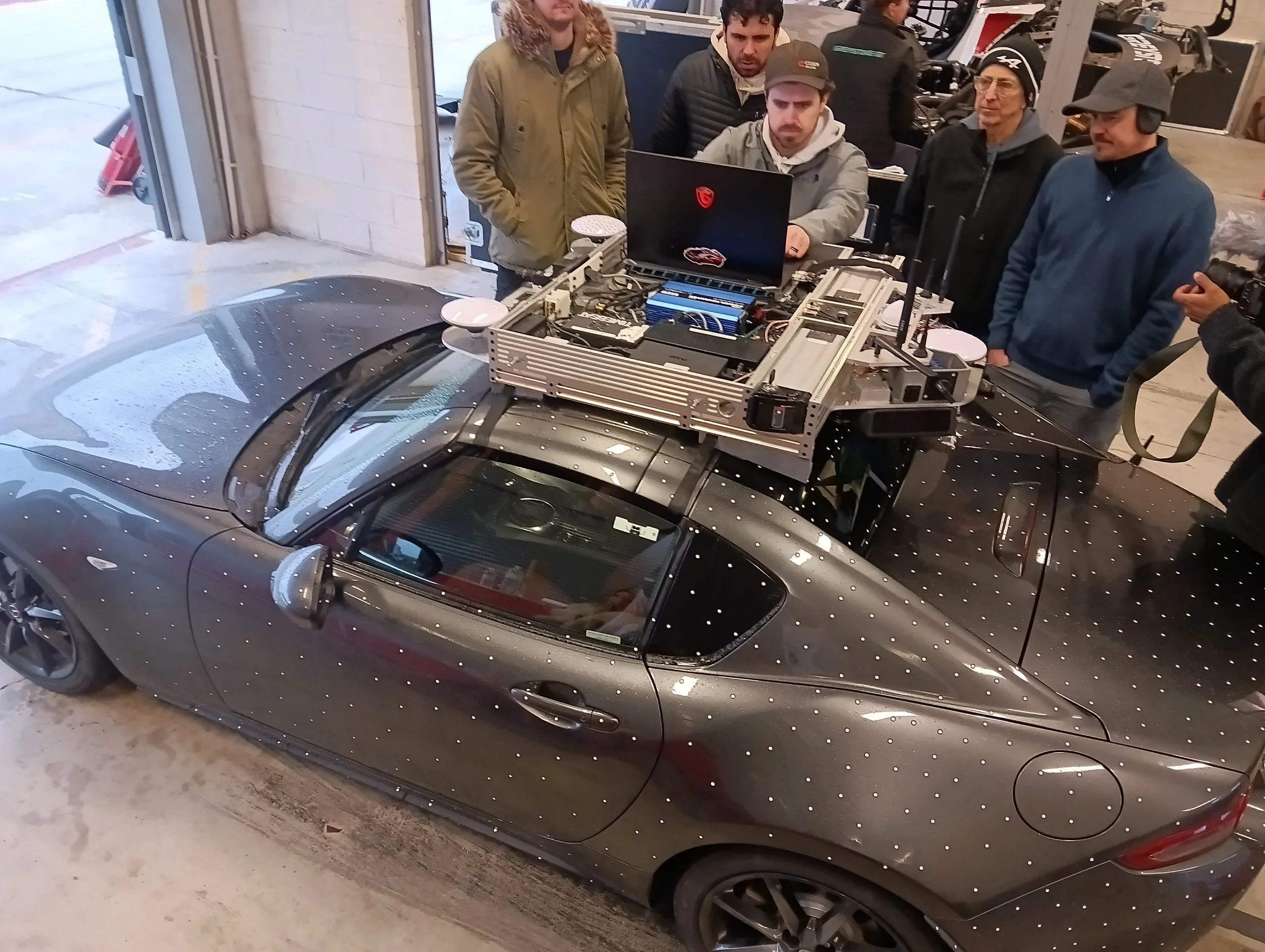
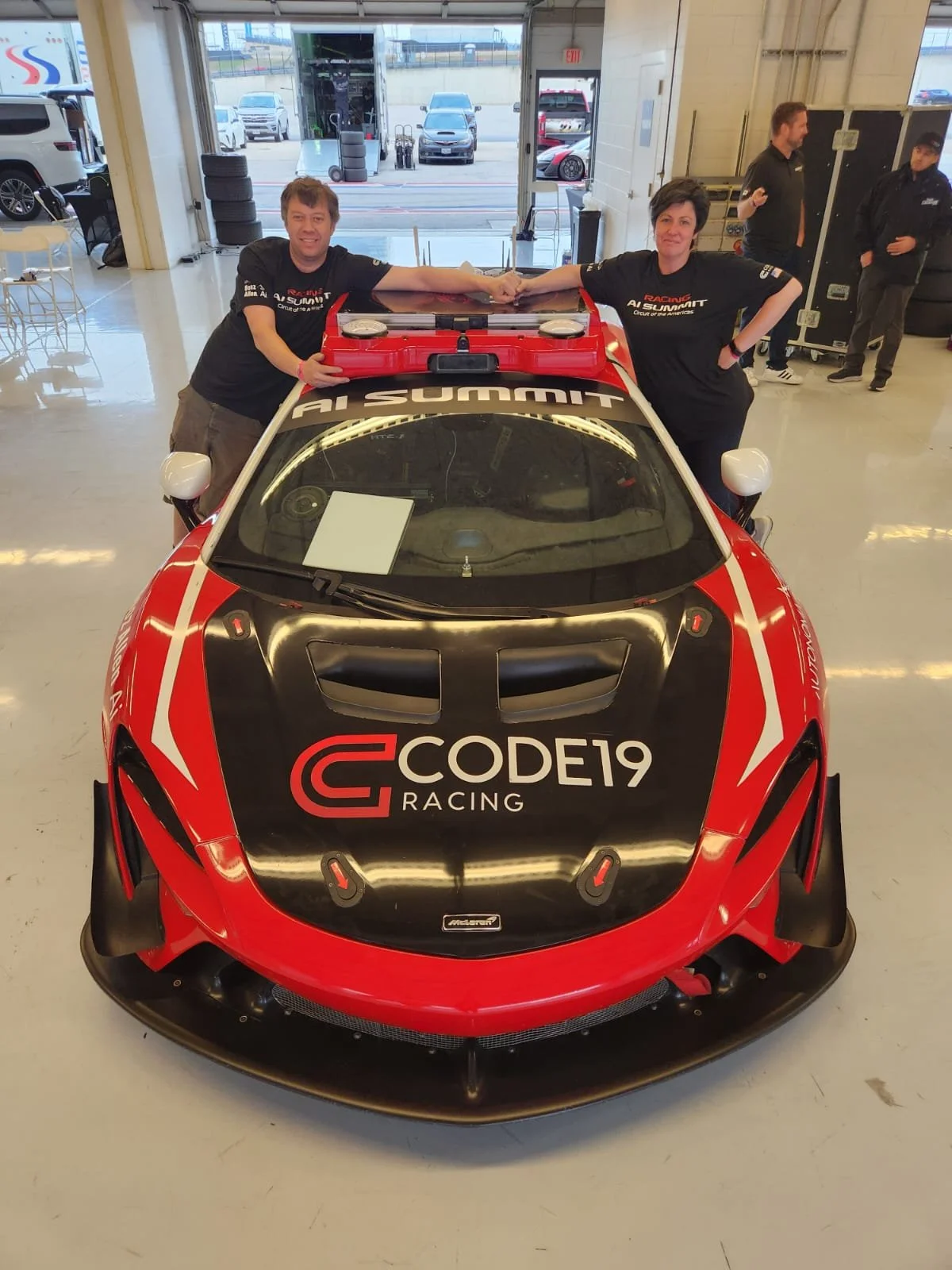
The first iteration, Eagle 1, used a watertight ABS enclosure mounted within an aluminium frame, with 3D-printed fixtures for LiDAR and GPS/INS antennas. Power was supplied via interchangeable PD battery packs, allowing components to be swapped quickly during testing.
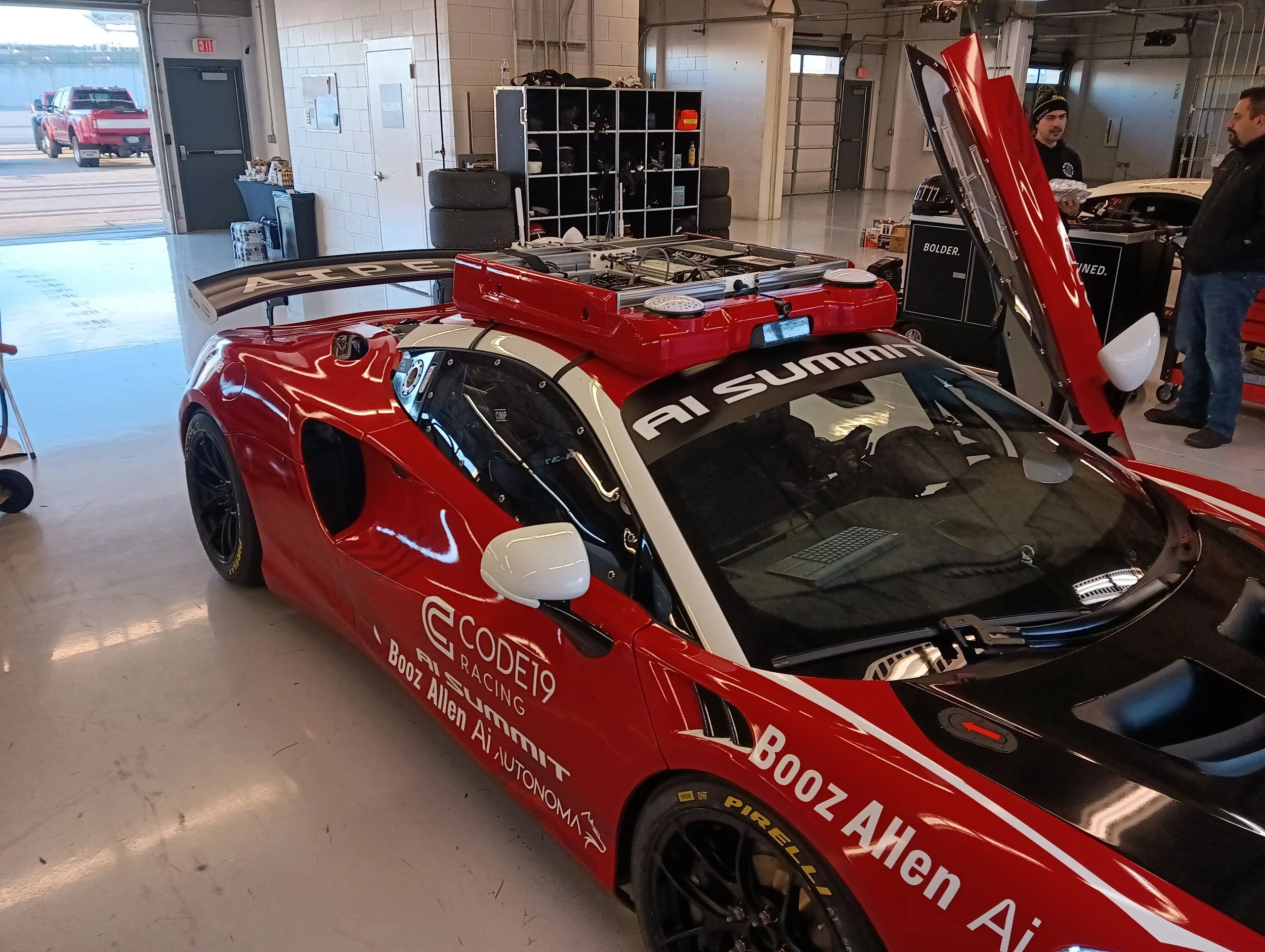
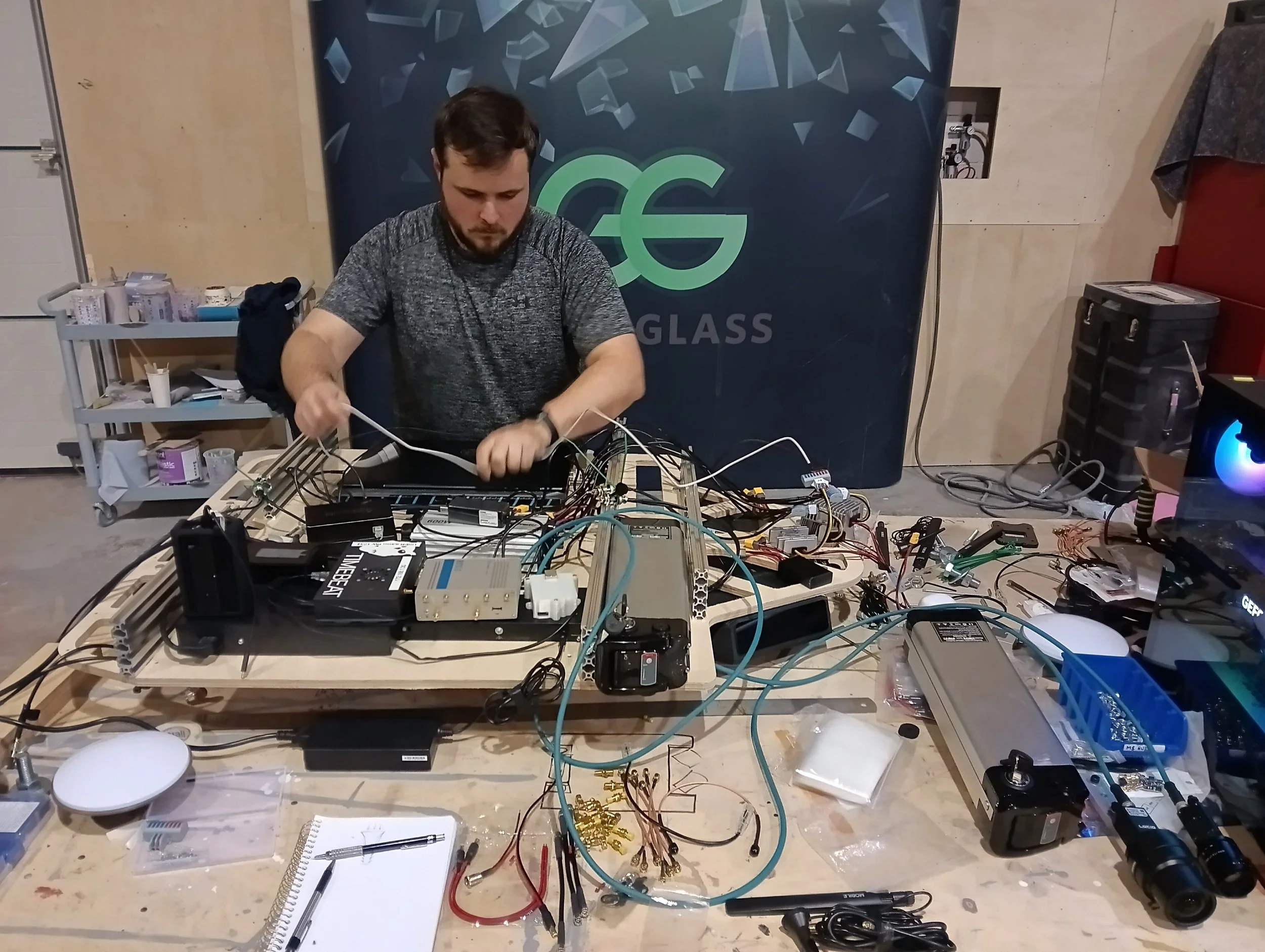
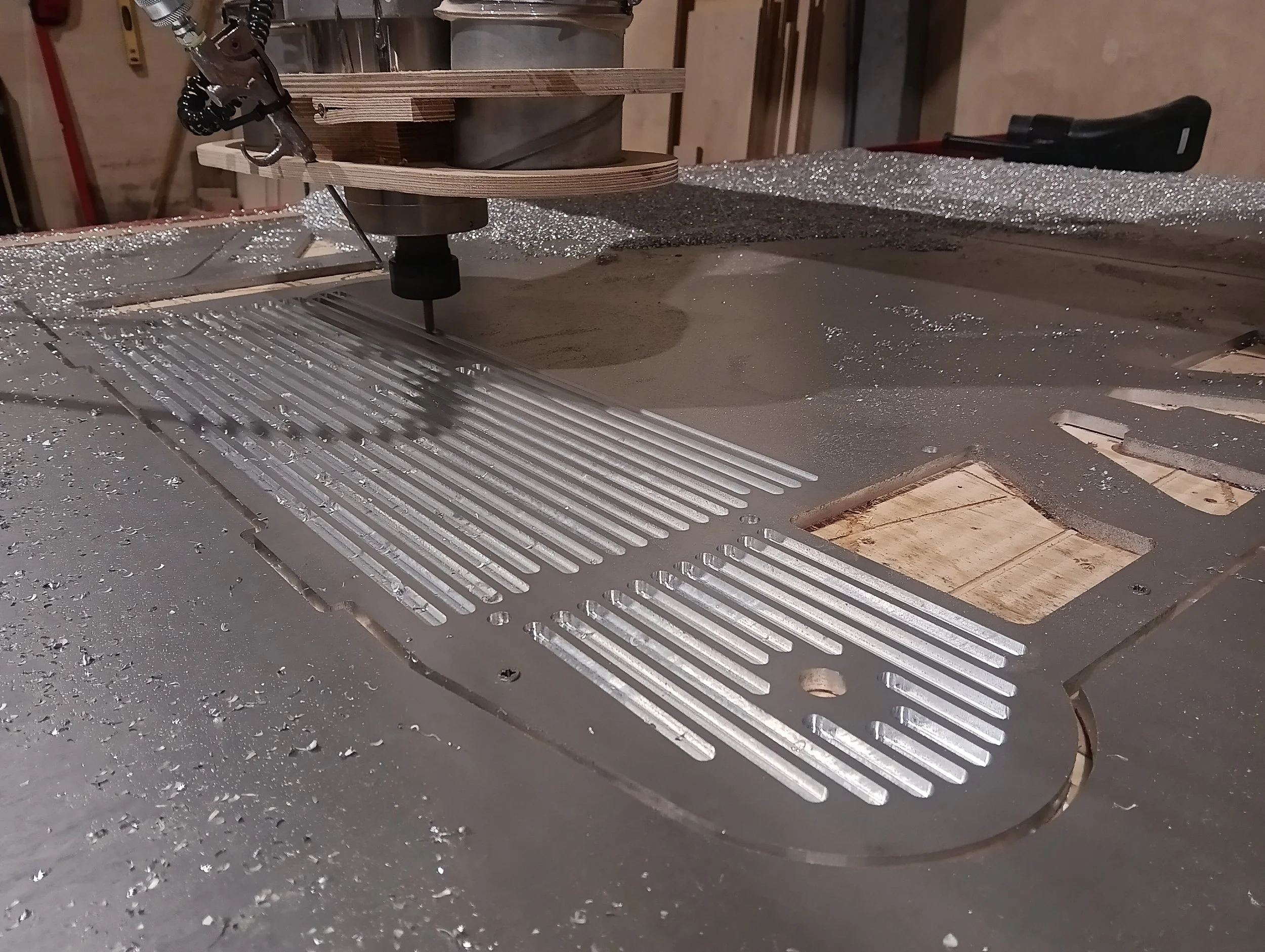
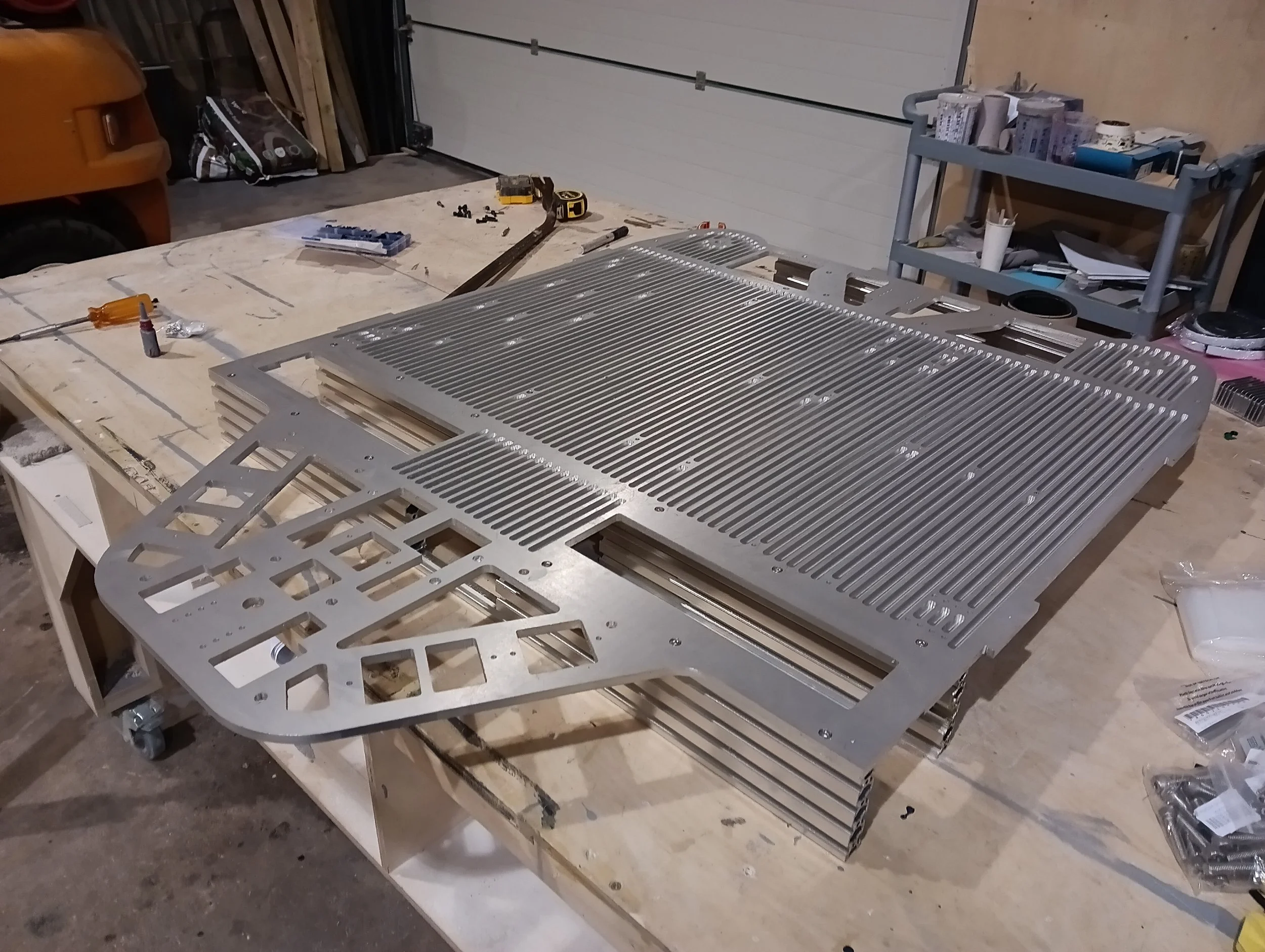
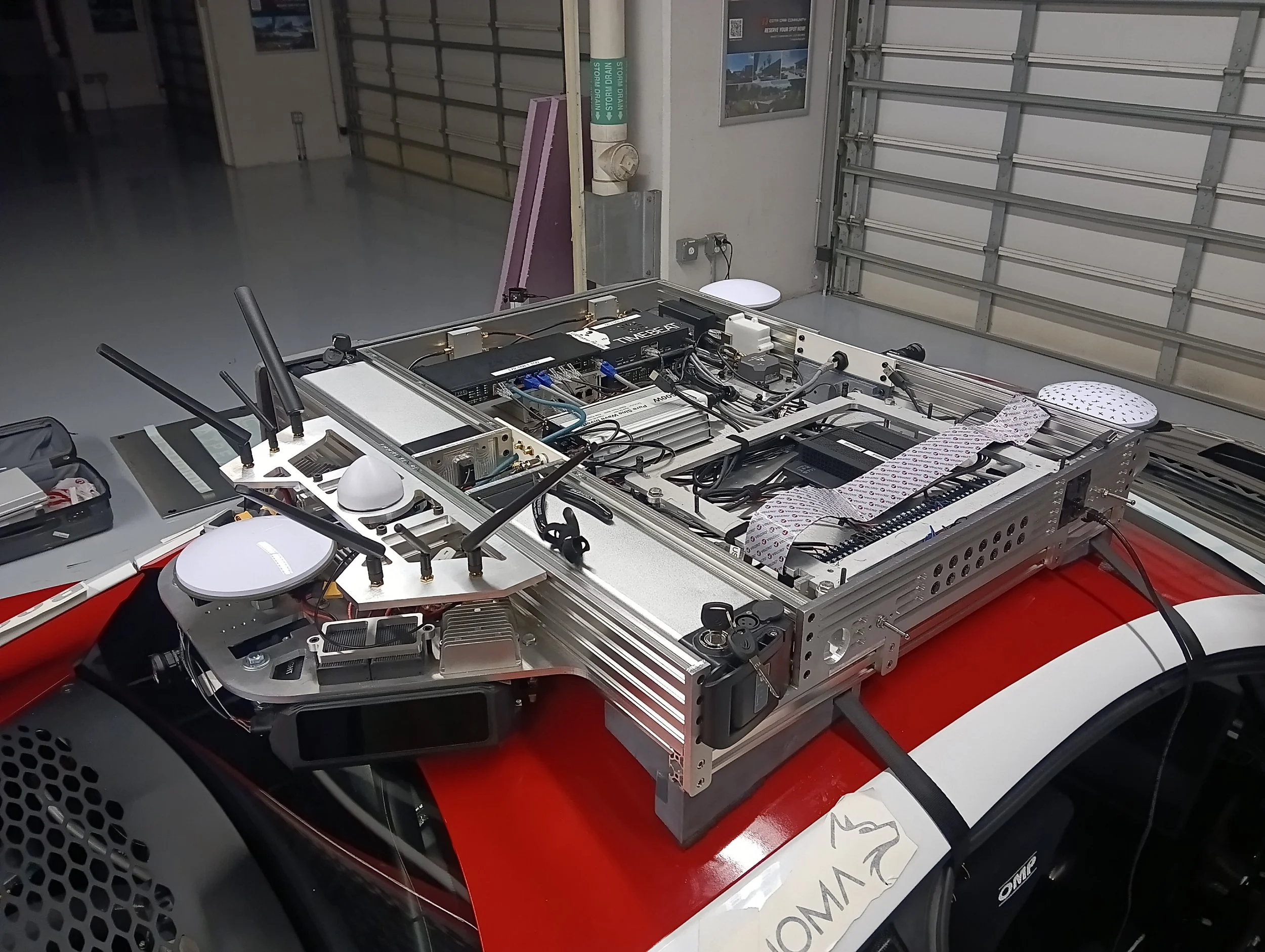
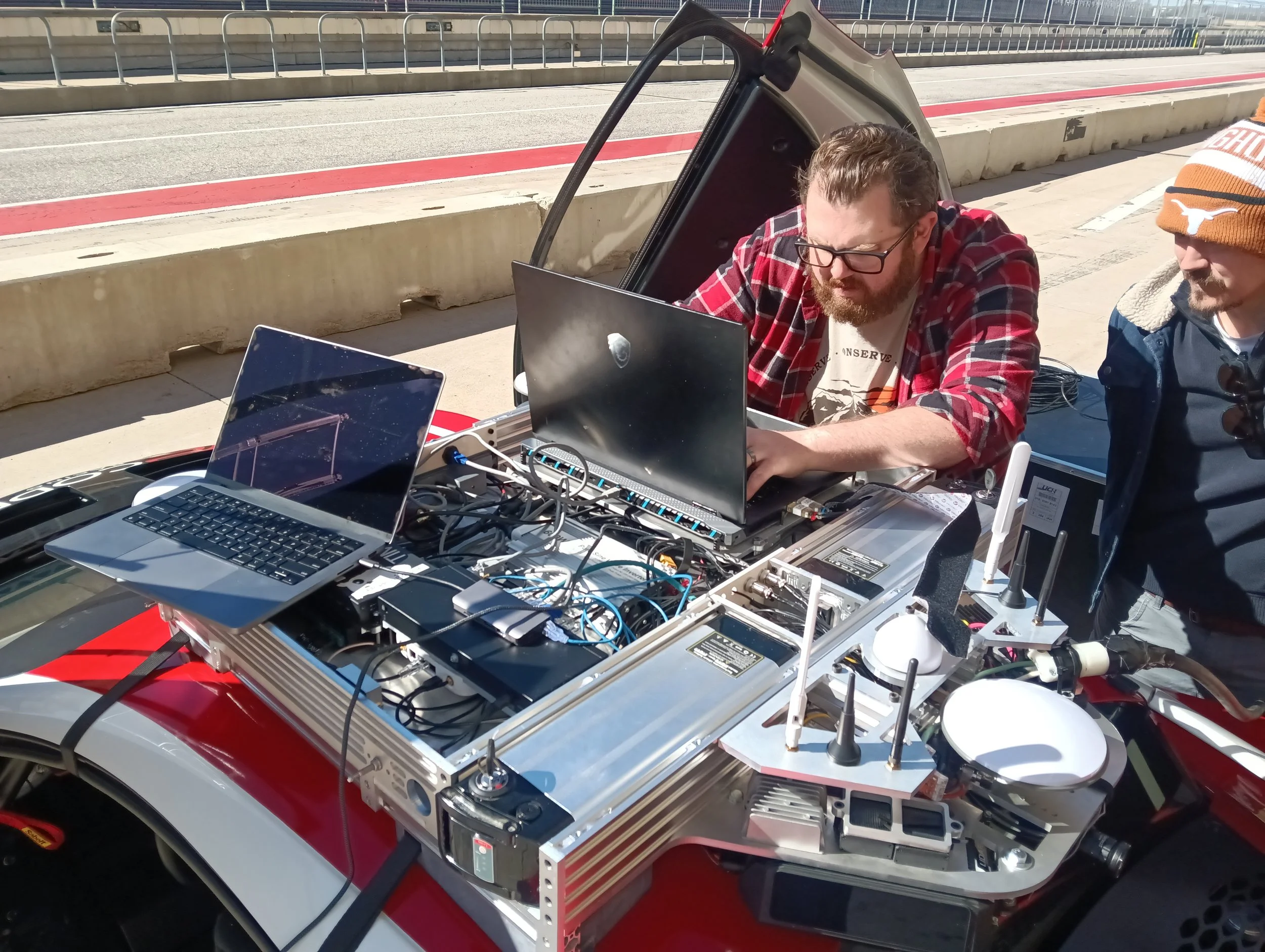
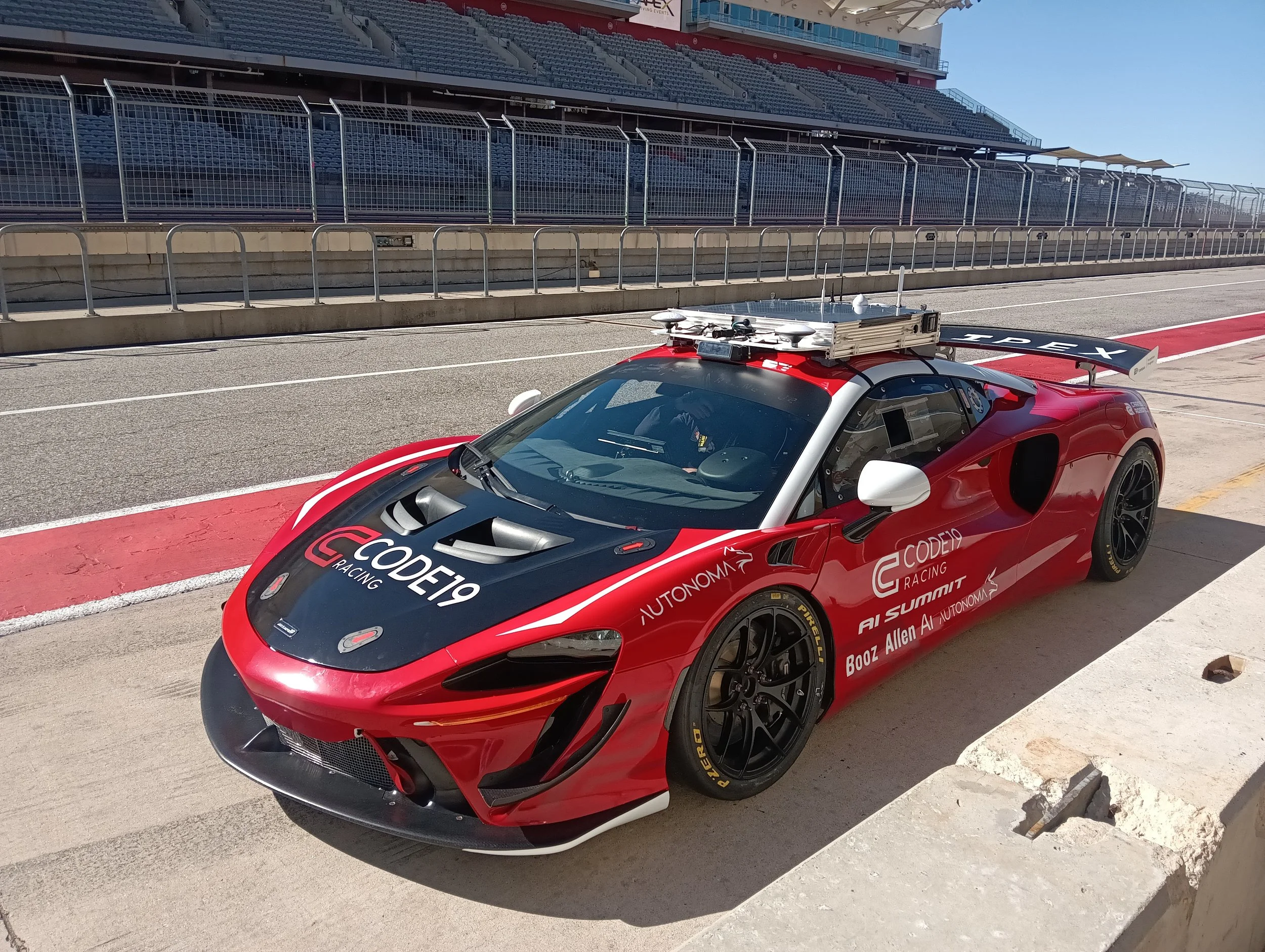
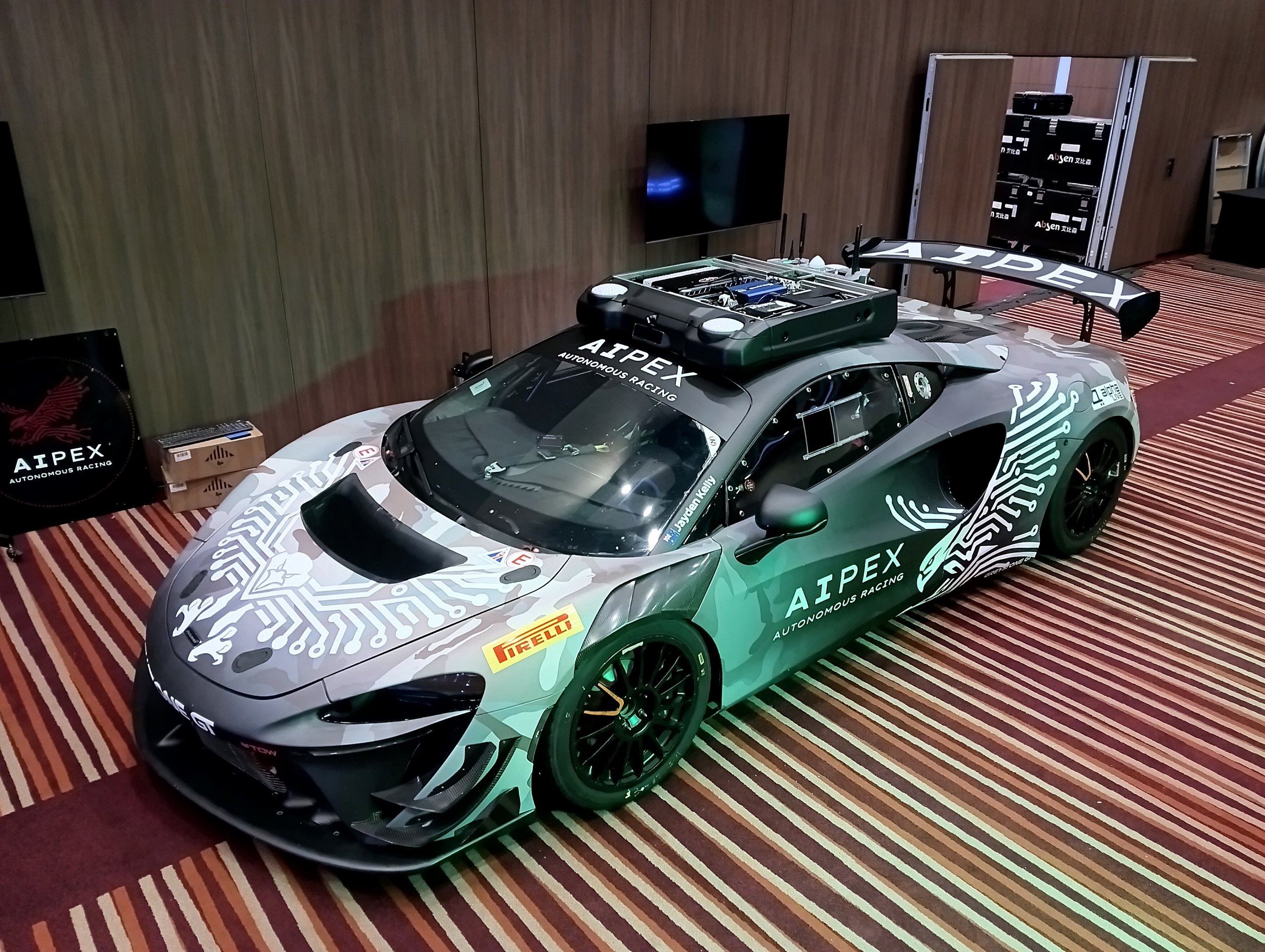
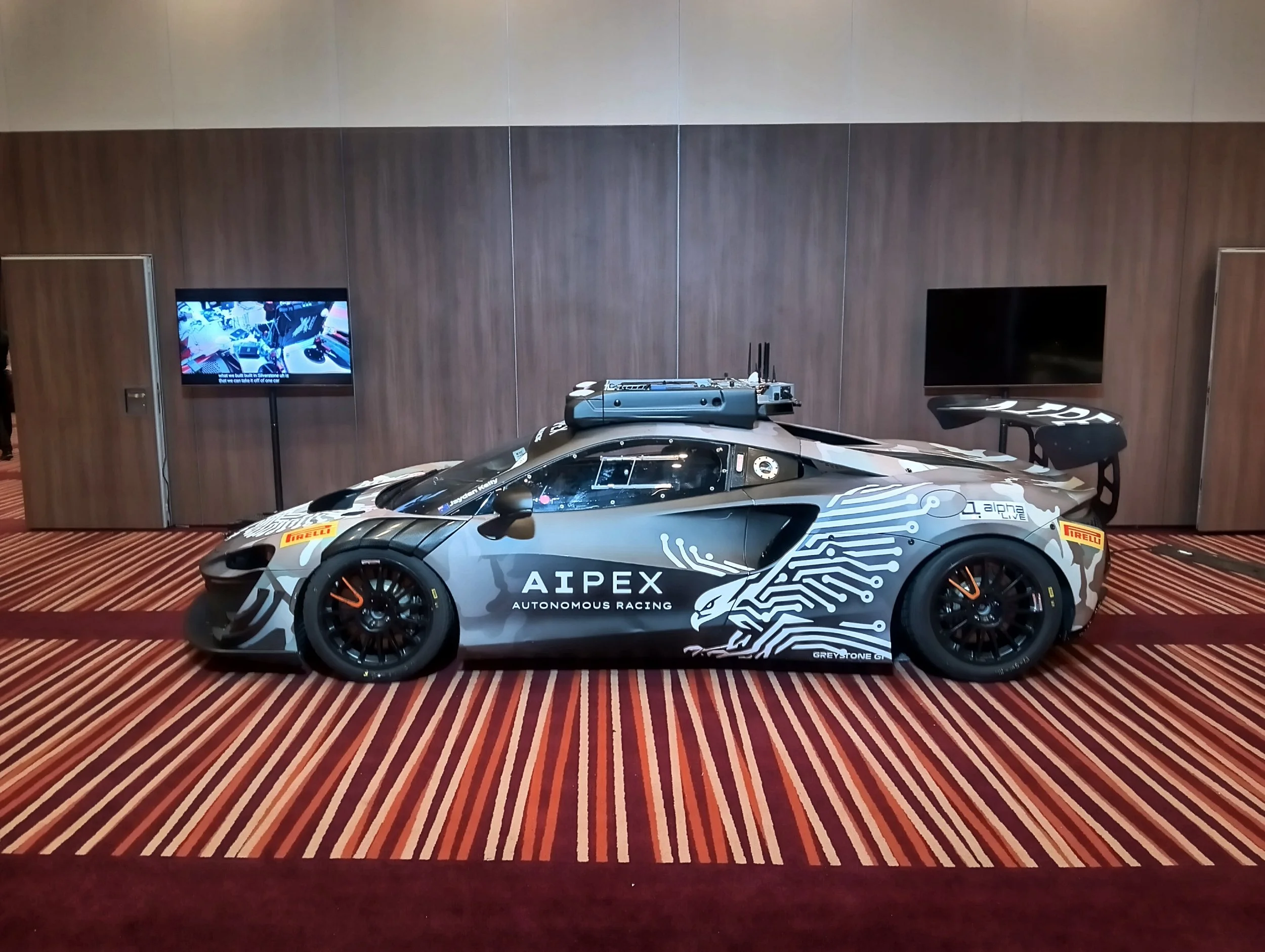
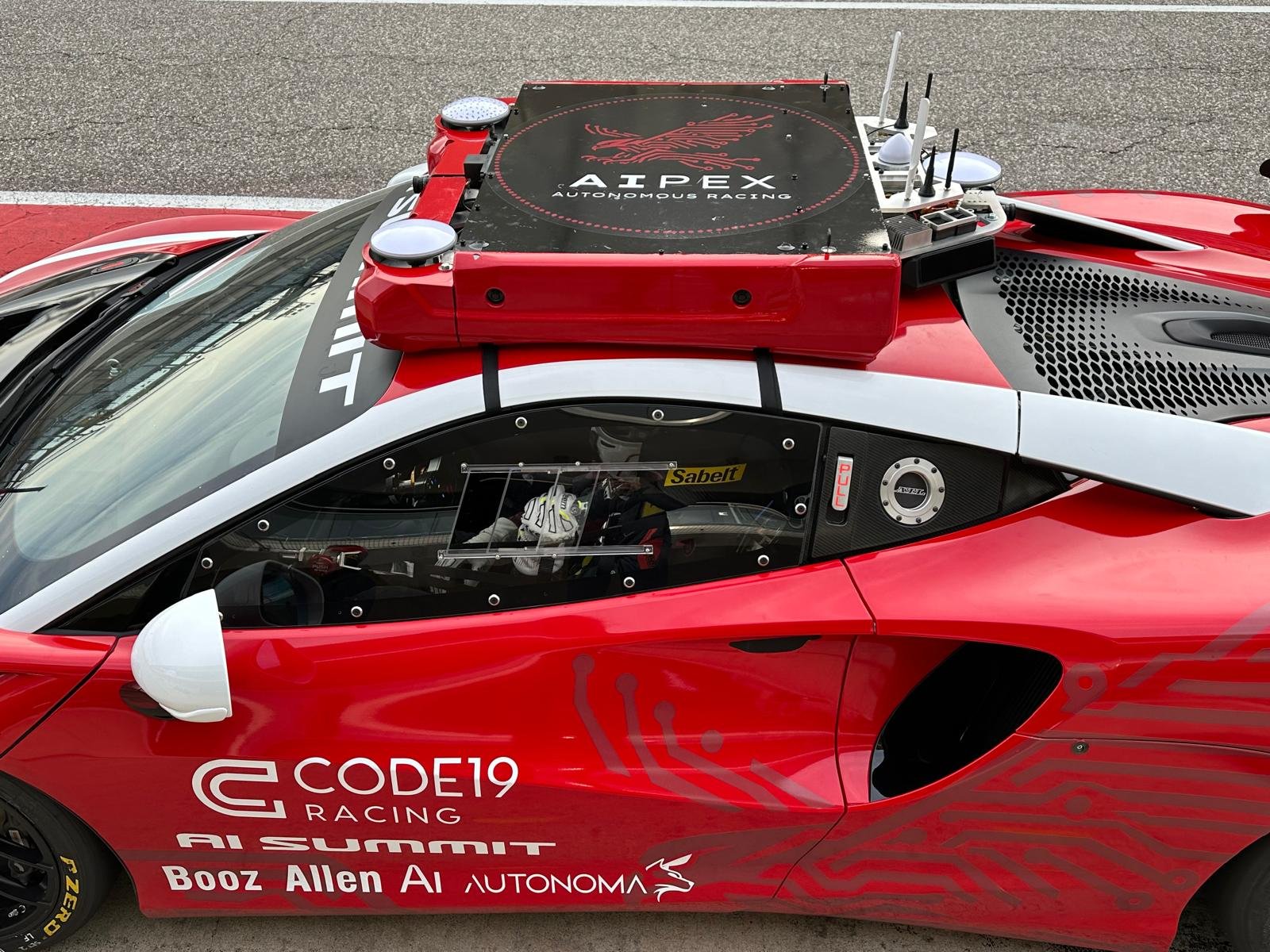
The second iteration, Eagle 2, was redesigned from the ground up using milled aluminium, significantly reducing overall height while increasing internal volume. Cooling performance was improved, and a central power system using hot-swappable high-capacity e-bike lithium batteries enabled continuous operation. A 3D-printed outer shell was wrapped to integrate cleanly with the McLaren Artura, improving both aerodynamics and visual coherence.
-
Eagle 1 was designed and delivered within ten days and deployed for its first test at Silverstone, before being refined through additional testing in Spain and Abu Dhabi.
Eagle 2 replaced the original system entirely. Fabricated in-house over a four-week period, it was first deployed in Austin, Texas, where it exceeded performance expectations on its initial outing. Over the following year, the platform supported multiple international test programmes and private events, and continues to form the backbone of the team’s track scanning and sensor validation work.